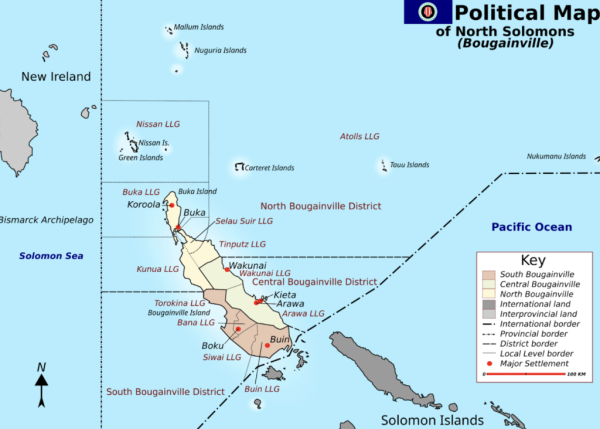
Bougainville. For most people, it is just a name on a map, a green island floating east of Papua New Guinea (PNG) in the Pacific. But for its roughly 300,000 residents, it carries weight, history, struggle, and hope. Bougainville is preparing to become what could be the world’s newest nation by September 2027, but whether that independence will be recognized beyond its shores is still unclear.
The push for sovereignty did not come overnight. Decades of tension, economic exploitation, and violent conflict shaped it. Bougainvilleans are ethnically and culturally distinct from PNG’s mainland. Historically, the island has been closer to the Solomon Islands than the Capital, Port Moresby, and its people long felt marginalized.
Tensions escalated in the 1970s with the opening of Panguna, acopper and gold mine. One of the largest mines in the world at the time, it created enormous wealth for PNG and foreign investors, but very little for locals. Farmland was destroyed, rivers polluted, and communities displaced. Resentment simmered.
By 1988, the grievances boiled over into a decade-long civil war. Known as the Bougainville Civil War, it claimed 15,000–20,000 lives, displaced tens of thousands, and left villages scarred. Schools, hospitals, and entire towns were destroyed. When peace was finally negotiated in 2001, the people were left with deep loss and a clear desire for self-determination.
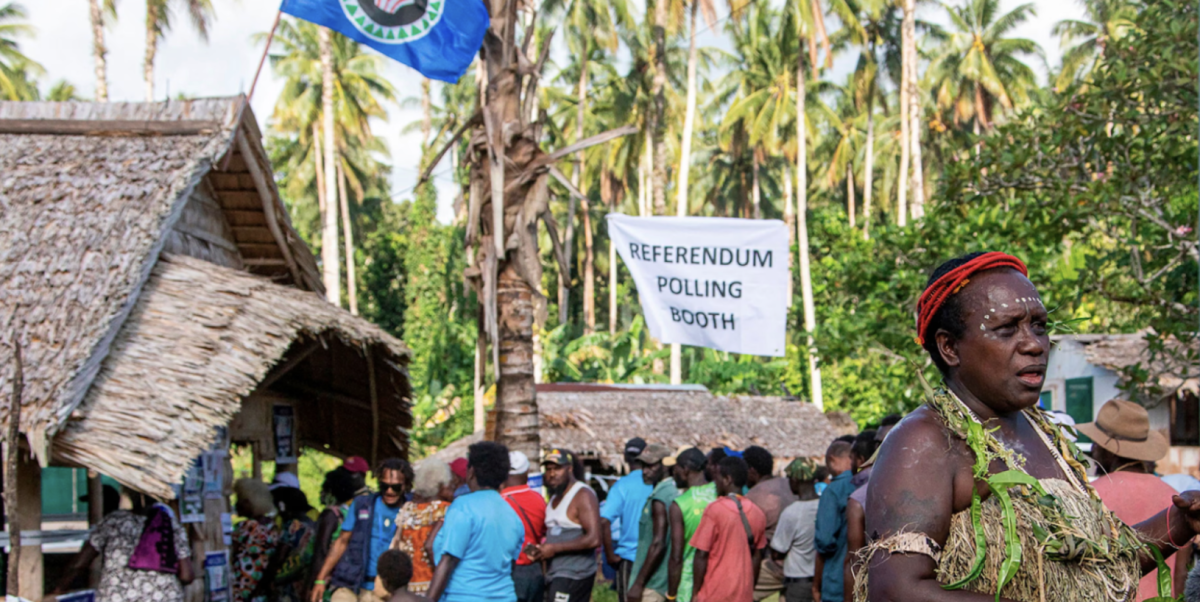
That demand became law in the Bougainville Peace Agreement. The agreement granted autonomy and promised a referendum on independence. In late 2019, votes were cast. The result was undisputed: 97.7%chose independence. The referendum was transparent, fair, and internationally observed.
Yet it was non-binding. According to the peace deal, PNG’s parliament must approve any move towards full sovereignty. That approval has not yet come;Bougainville remains in political limbo.
Despite the uncertainty, Bougainville’s leaders have marked September 1, 2027, as the target for independence. President Ishmael Toroama, a former rebel commander, frames the date as both a political commitment and a moral promise. For him, independence is more than politics, but it is decades of struggle made real. But political will alone is not enough. True independence today means governing effectively and gaining recognition from the international community. It means functioning within the global system of trade, law, and diplomacy.
Economically, the challenges are steep. Panguna could fund a small state if it reopens, but the mine carries risks. Environmental damage, social unrest, and political tension shadow its past. Outside mining, Bougainville relies on foreign aid and subsistence farming. Building a functioning state with a budget, courts, currency, and civil services would require time, expertise, and money. Infrastructure is limited. Even with preparation, independence is daunting.
Recognition is another hurdle. International law does not automatically accept new states. Under the Montevideo Convention of 1933, a country needs a defined territory, a permanent population, a functioning government, and the capacity to engage internationally. Bougainville meets most of these criteria.
Yet recognition is political, not just legal. Without PNG’s approval, Bougainville risks becoming like Somaliland or Northern Cyprus: self-governing in practice, but invisible in most international arenas. For the UN, recognition would require a nomination from a Security Council member, followed by approval from a two-thirds majority in the General Assembly. Without Port Moresby’s consent, that path could be blocked.
International responses have been careful. Australia encourages dialogue and stability but has avoided openly supporting independence. China is watching closely, drawn by Bougainville’s mineral potential yet mindful of its relationship with PNG. Regional organizations, meanwhile, call for patience and continued negotiation, urging all sides to avoid hasty moves.
Bougainville lies between PNG and the Solomon Islands, a strategic spot in a Pacific increasingly influenced by China, Australia, and the U.S. An independent Bougainville could become a player in this regional chessboard. Its recognition, or lack thereof, could shift alliances and influence in the broader region.
For ordinary Bougainvilleans, independence is already part of daily life. Farmers, teachers, and shopkeepers wonder if it will bring better schools, roads, and jobs. Civil war survivors ask whether sovereignty can bring justice and reconciliation. Young people, raised under autonomy rather than full statehood, wonder how decisions in the coming years will shape their futures. For them, independence is not abstract, but it is dignity, self-determination, and the right to govern their own lives.
Even if Bougainville declares independence in 2027, recognition is not guaranteed. PNG may delay or condition approval. International powers may withhold acknowledgment. Economic fragility may limit the island’s ability to operate as a fully independent state. Bougainville can show us that independence today is more than a flag or borders. It is about recognition, capacity, and participation. Small islands with big ambitions test international law and the world’s willingness to accept new nations. Bougainville’s journey is far from over, but it demonstrates how decades of struggle for self-determination can bring a people to the brink of shaping their own destiny.
By 2027, Bougainville may raise its flag. Whether the world salutes it is another question. For its people, independence has already arrived in their hearts, lives, and conversations.

Donald Trump • May 22, 2026 at 8:37 am
So interesting