Formula 1 is back! This time, it’s bringing a new rulebook with it. The 2026 season marks the biggest changes the sport has seen in over a decade, combining an aerodynamic overhaul and a brand-new power unit formula. After three rounds of preseason testing across Barcelona and Bahrain, the paddock is buzzing with optimism and excitement, along with a bit of gamesmanship. So, who should you be watching in Melbourne, and will this be the most exciting season opener in years?
A New Formula, New Cars
Before exploring the pecking order, it’s important to understand the difference between these 2026 cars and the last decade of cars. Gone are the Venturi tunnels carved through the floor that defined the ground-effect era of racing (they basically suck the cars down to the ground, like a suction cup). Teams now must generate downforce through a flatter underbody paired with a much bigger diffuser. The cars are shorter, narrower, and lighter, making them much more nimble and theoretically more capable for that beloved close wheel-to-wheel racing.
One of the biggest talking points is the new Active Aero system, replacing DRS, the controversial push-to-pass rear wing system. The old system is gone for good. Instead, there are actively controlled wing flaps that open automatically on designated straights for every driver, on every lap, reducing drag and boosting top speed. The “Overtake Mode” adds more excitement and more action to the race: when a driver is within a second of the car ahead, they can trigger a burst of extra energy for an overtaking opportunity. This shift makes the racing more dynamic and creates more action within the race.
On the power unit side, the balance between electrical power and combustion is now roughly 50-50, with the electric motor tripling in power compared to the previous formula. This makes energy management a key battleground, deepening the strategy during the race and more creative strategies.
The Favorites: Mercedes and Ferrari.
After preseason testing, two teams stood above the rest: Mercedes and Ferrari.
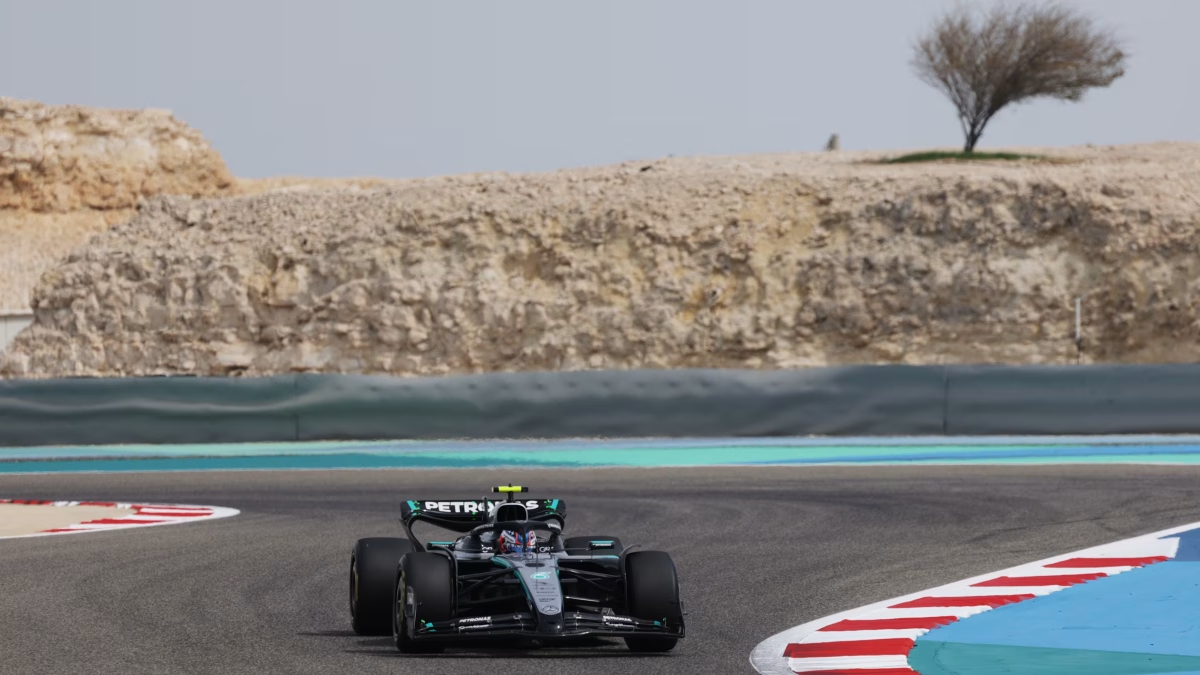
Mercedes has completed more laps than any team across all three tests, as their rivals acknowledge that the Silver Arrows are the team to beat heading into Melbourne. The W17 displayed consistent balance and reliability on track, with Toto Wolff’s team believed to be holding something back. The only question surrounding the car is how it will handle Albert Park’s unique challenges on energy harvesting, a tougher track for battery recharging than Bahrain.
On the other hand, the Prancing Horses really pranced their way to the top of the timing sheet, with Charles Leclerc posting the benchmark lap on the final day. The SF-26 showed clear progress across testing, evolving from an inconsistent package with rear grip issues into a well-balanced, responsive machine. Lewis Hamilton faced some downtime due to reliability issues as he continues to adapt to life at Maranello. The direction looks positive for the Scuderia.
Ferrari’s Technical Masterplan.
The single biggest engineering story of preseason testing belongs to Ferrari. Midway through the second Bahrain test, the SF-26 emerged from the pits sporting an unusual vertical flap directly behind the exhaust, a device that Ferrari calls the FTM or “flow turning device.”
The innovation exposes a loophole within the 2026 regulations. The new rules allow a component to sit within 60mm of the rear axle line, a restriction that under the old rules would have prevented anything from being placed behind the exhaust. Ferrari engineered their gearbox from the ground up with this loophole in mind, pushing the differential as far rearward as possible to make the flap fit within the legal limit. The result is a device that does two things at once: redirecting hot exhaust gases upwards to improve their rear wing efficiency while simultaneously energizing airflow exiting the diffuser, creating a significant increase in downforce.
The FIA required Ferrari to seek special approval before using this device, since rival teams found themselves unable to copy it. Not only did competitors lack the specific diffuser design that Ferrari had built to support the concept, but other teams ran out of time to develop it. Ferrari also unveiled a radical “flipping” rear wing element, which operates in a reversed direction during the straights, highlighting the creative thinking in Maranello. Whether or not this wing makes it to race day, it’s clear that Ferrari is playing a different game when it comes to viewing the regulations.
The Chasing Pack and Ones to Watch.
McLaren, the defending constructors’ and drivers’ championship winners, enters Melbourne as the third fastest on the grid. Lando Norris and Oscar Piastri logged impressive mileage and appear to have a solid and reliable car. But not one that can outpace Silver Arrows or The Prancing Horses at this point. Red Bull has also impressed the grid with how they integrated their new in-house Ford power unit, posting competitive times and reliable performance throughout testing.
Alpine surprised many by setting the fifth-fastest overall time in Bahrain, suggesting that the French outfit may have flipped the narrative after a disappointing 2025 season. Haas looks like a genuine frontrunner for the midfield. Meanwhile, Aston Martin really struggled in preseason testing, plagued by engine issues limiting crucial track time, leaving them the most uncertain team heading into the first race.
Should YOU Be Excited for Melbourne?
Yes. The combination of a new concept of Formula 1, active aero that brings back the spirit of wheel-to-wheel racing behind the driver’s wheel, with a relatively unclear pecking order at the top, makes this season opener the most fascinating in recent memory.
Mercedes might be the favorite, and Ferrari might have that extra technical edge that no one can copy. McLaren can’t be underestimated with a world champion behind the wheel, even Red Bull could bounce back to their winning ways with 4-time Drivers World Champion Max Verstappen capable of finding every limit and every last tenth from whatever machinery he’s under.
The Australian Grand Prix on March 8th won’t be just the start of the season; it’s the start of a new era of racing for Formula One. So don’t miss it.