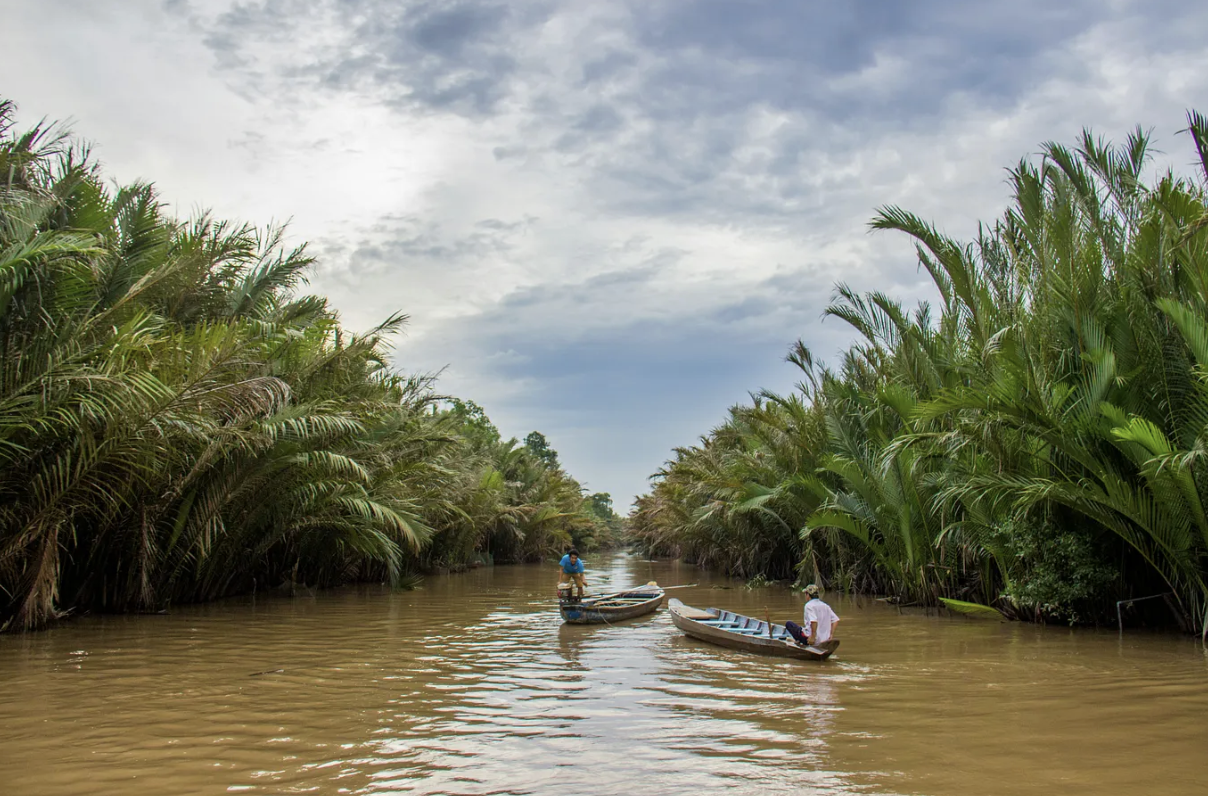
April 2019— Fishermen along the Mekong in northern Thailand awoke to their nets lying flat on dry sandbanks. The river had vanished overnight. No drought had been forecasted, no storm had struck. The culprit lay hundreds of kilometers upstream: China had closed the gates of its Xiaowan Dam. One decision in Yunnan, and whole villages downstream were silenced.
The Mekong runs almost 5,000 kilometers from the Tibetan Plateau to the South China Sea. In its upper reaches, China has built eleven dams. The largest of them, Xiaowan and Nuozhadu, hold reservoirs so vast they can trap more water than the river releases in a year at points downstream. Villages in Laos often find rice paddies submerged without warning when releases surge. In Thailand, sudden currents sweep away boats. In Cambodia, the Tonle Sap Lake was once the world’s most productive inland fishery, but has now started to enter the flood season weeks late, sometimes not at all. Reservoirs upstream are filled when water is needed most downstream, changing the seasonal rhythm that fishers across the basin depend on.
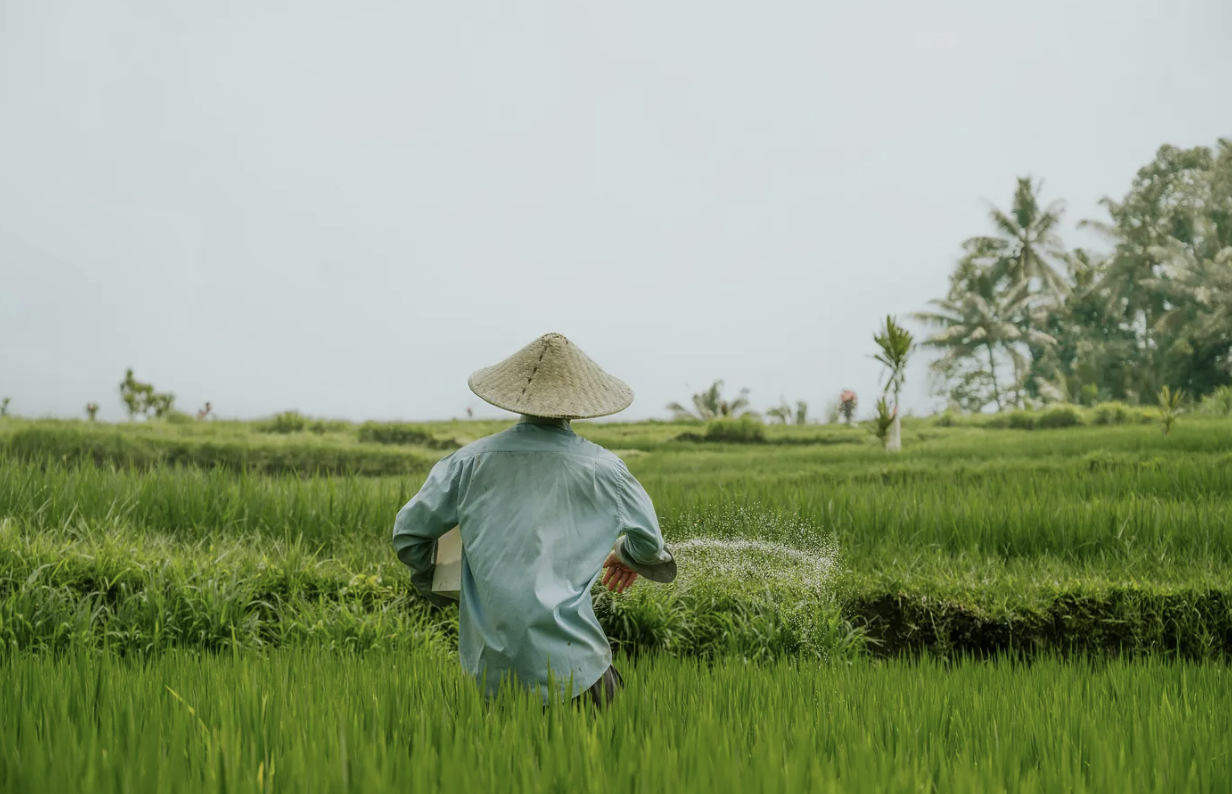
Vietnam sits at the very end of this chain. The Mekong delta, which produces half the country’s rice, depends on sediment carried from upstream to rebuild its soil and keep back the sea. That flow has thinned. As dams trap sediment, the delta sinks, even as rising seas push further inland. In 2020, saltwater reached 130 kilometers into the interior, forcing thousands of farmers to abandon fields. Half of Vietnam’s rice comes from the delta and yet it is becoming less reliable each year; not because of drought or storm, but because the river no longer behaves like a river.
Attempts at policy exist, but their reach is too shallow. The Mekong River Commission, created in 1995 by Laos, Cambodia, Thailand, and Vietnam, was meant to manage the river collectively. China never joined as a full member. Instead, they offer occasional data and promote their own Lancang-Mekong Cooperation initiative, which sets Chinese development projects at its focal point. During the record drought of 2020, Beijing claimed its dams were also running low. Independent satellite analysis later showed reservoirs upstream were unusually full. The discrepancy between China’s statements and satellite evidence has left the downstream governments with nothing but suspicion and distrust.
The Mekong supports 70 million people. It provides protein in food through fish, irrigates rice fields that feed much of the region, and carries barges that connect landlocked Laos to global markets. The river once rose and fell predictably, with floods and droughts arriving in cycles that communities could anticipate. Now the river rises suddenly or not at all. Cambodia’s fish catch has collapsed. Farmers in Laos complain that harvests vanish when the water level shifts overnight. Thai traders leave barges stranded for weeks at a time when channels run dry. None of these outcomes look like war, but each is a form of pressure exerted through control of the upstream flow.
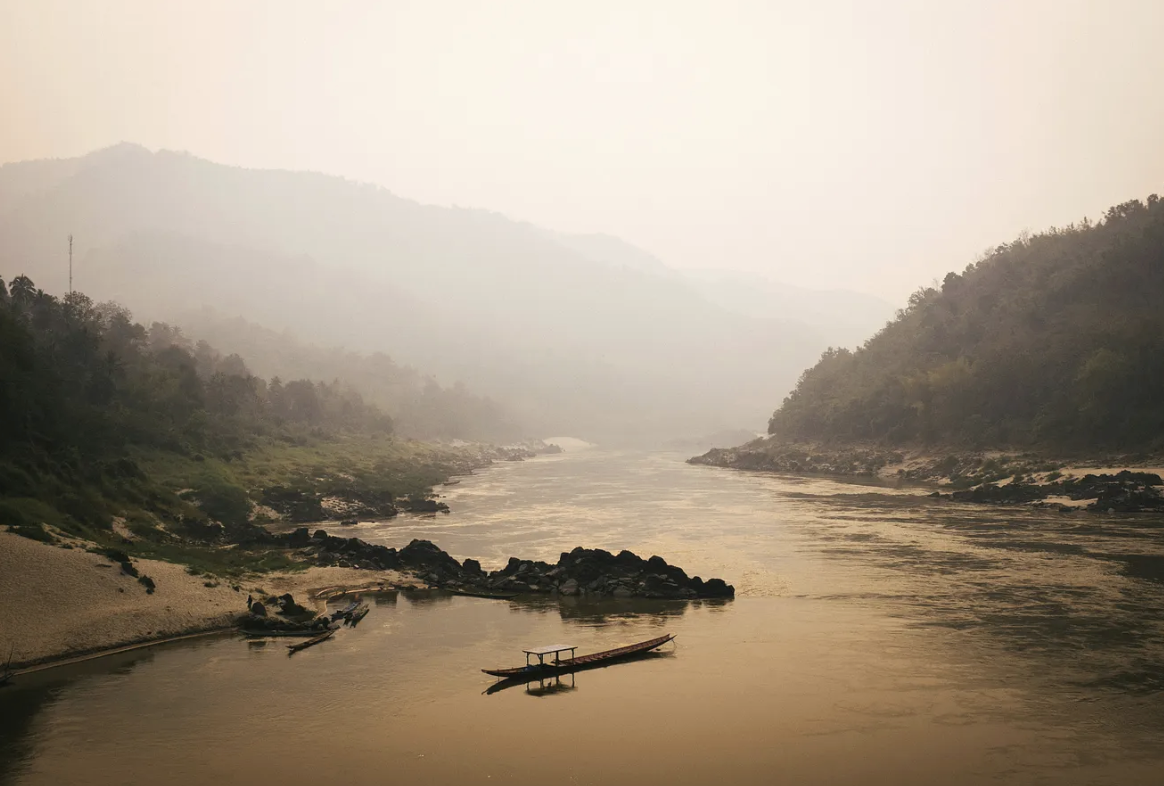
“I wish the seasonal pattern would return so fish can lay eggs as they used to,” said Chai Haikamsri, a 47-year-old fisherman who watched his catch shrink and his nets empty. “I wish the dams would not disrupt this any more.” (Reuters, 2021). A voice like Chai’s is repeated across the basin. A mixture of bewilderment, anger, and resignation that a technological sluice gate can rewire centuries of local knowledge.
When local people describe the crisis, they talk about boats stranded on sandbanks, rice shoots turning yellow from brackish water, and children eating less fish at dinner. Against stories like these, the policy language feels distant. Phrases such as “data sharing,” “joint studies,” and “basin-wide cooperation” seem hollow. Yet help has come, at least in part. In 2020, the United Nations and partner agencies carried out a joint assessment of the Mekong Delta’s drought and saltwater intrusion, warning that millions faced food insecurity if the trend continued. Their report urged both emergency aid and long-term resilience measures. Around the same time, independent researchers from Eyes on Earth began using satellite imagery to track water storage and sediment flows, giving downstream governments rare, verifiable evidence of how much water was truly being held back upstream.
Yet, organized plans run up against geopolitics. China’s preferred forum, the Lancang-Mekong Cooperation mechanism, stresses development and infrastructure financed or supported by Beijing; a structure that downstream countries sometimes welcome for investment but worry about when it sidelines environmental safeguards. The Mekong River Commission, meanwhile, has limited leverage over a non-member. Analysts might argue that what is missing is a binding regional cooperation that includes all major dam-builders, clear sediment-management strategies, and real-time flow data sharing accessible to governments and civil society.
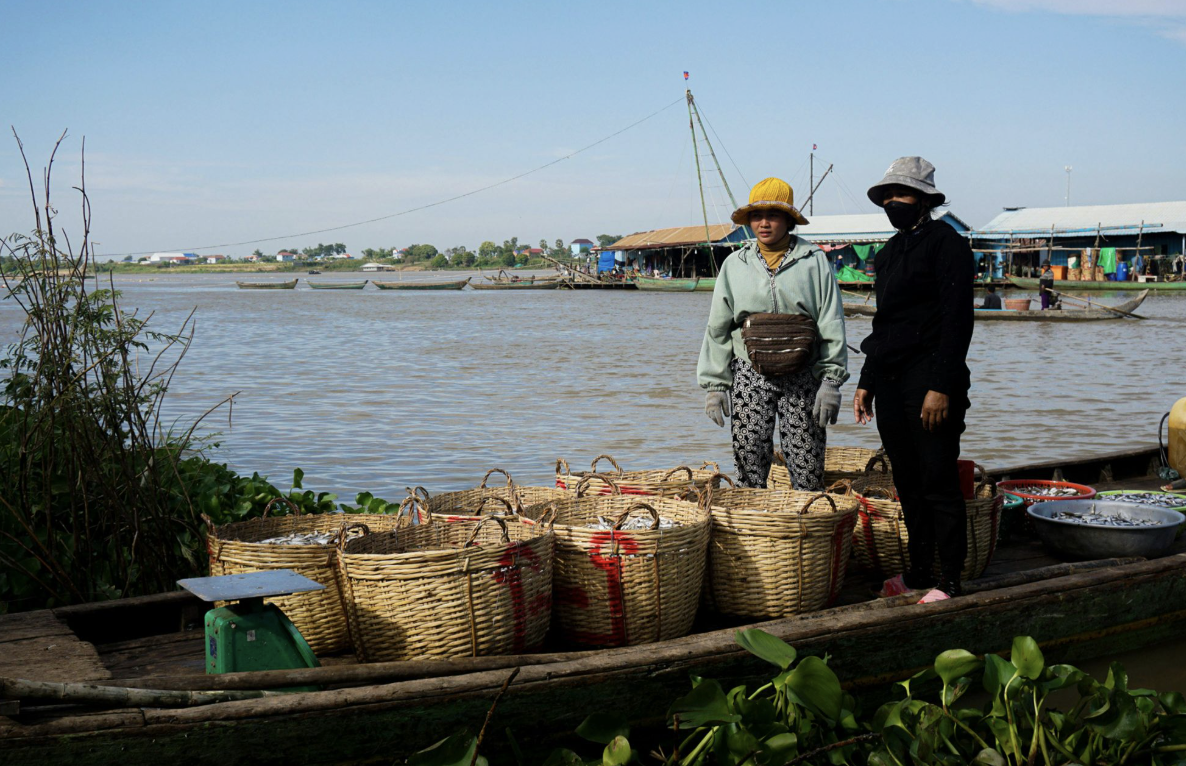
On the ground, people improvise. Vietnamese farmers dig ponds to store freshwater for the dry months; Thai fishers use finer meshes and go out less frequently; Cambodian conservation groups tag and release fish to preserve dwindling species. These small adaptations buy time, but they do not restore the river’s old habits. “We’re not just losing fish,” said Nguyen Van The, a rice farmer in Ben Tre province. “We’re losing the things that make this place alive.” (BBC Vietnamese Service, 2020).
Compile these crises together and the picture is stark. The Mekong is no longer a shared river owned by Mother Nature. It is an artery controlled by gates and turbines; arguably an indirect attack on those who depend most on it. The most fragile frontier in mainland Southeast Asia is not drawn along border fences or security checkpoints. It runs directly through the river itself, changing each time upstream engineers close or open the sluices.
If a diplomatic solution is possible, it will require more than occasional data exchanges and goodwill statements. It will require binding regional rules on dam operation during dry seasons, guaranteed sediment-management measures, and truly transparent, real-time data sharing, backed by independent monitoring that local communities can trust. It will also require amplifying voices like Chai’s, Nguyen’s and, and countless others: turning anecdote into evidence and grief into leverage.
The Mekong, though a river in nature, no longer behaves like one. It is a lever: pulled from upstream, felt everywhere downstream.
All images are from Getty Images, Educative Use Only